Disclaimer: This article is provided for informational purposes only and is not intended as financial advice. Individual circumstances vary. Consumers should consider their own financial situation and consult a qualified professional regarding their specific needs.
Considering BNPL for larger orders, but worried you'll end up chasing shoppers for payments? With many BNPL providers, the provider typically handles repayments, with protection and your remaining obligations set out in the merchant agreement. Merchants are typically paid upfront minus fees according to the provider's settlement schedule, while refunds and disputes still need clear rules. Understanding those terms alongside checkout completion and order value gives you a clearer picture of the trade-offs.
TLDR:
- Many BNPL providers pay merchants upfront minus fees, on the provider's schedule, not as shoppers pay installments.
- Installments may ease price hesitation but do not fix shipping costs or confusing checkout forms.
- Storewide order value and checkout completion, measured before and after BNPL launch, give a fair comparison.
- The margin math weighs added gross profit against BNPL fees, including costs when existing buyers switch methods.
- With Four, merchants are paid upfront while shoppers make four easy payments, one every two weeks.
What BNPL Is and How the Payment Flow Works for Retailers
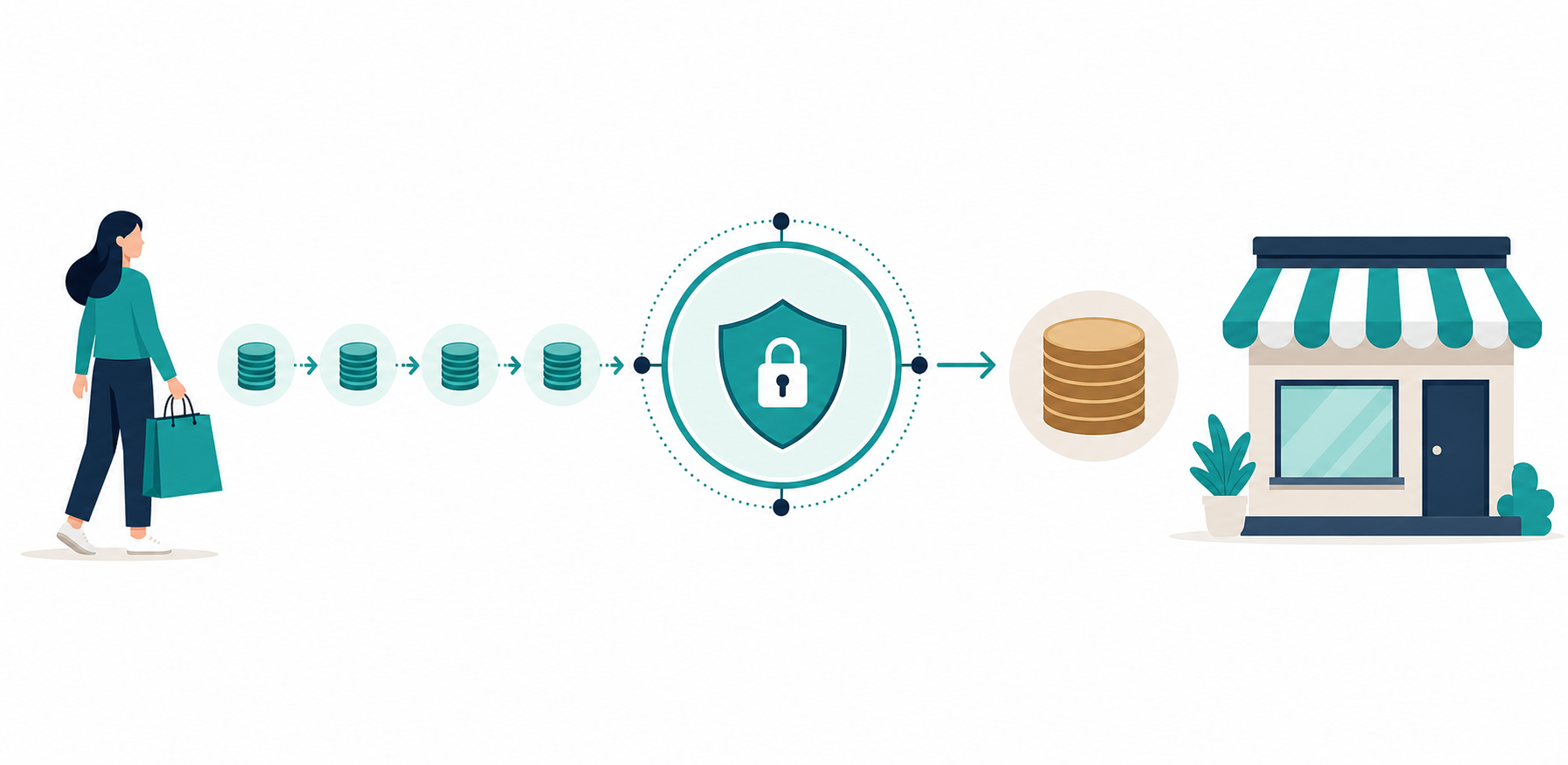
Buy Now, Pay Later (BNPL) typically lets shoppers split purchases into installments through a third-party provider. For merchants, the payment flow often works like this:
- The customer selects BNPL at checkout.
- The provider approves or declines the purchase.
- If approved, you typically receive an upfront payout, minus a merchant fee, according to the provider’s settlement schedule.
- The customer repays the provider over time.
Being paid upfront means you do not wait for each customer installment. Payout timing and fees depend on the provider’s terms.
How Merchants Get Paid Upfront
With many BNPL providers, merchants are typically paid upfront for the full purchase amount, less the merchant service fee. As of November 2026, PXP's BNPL glossary lists typical BNPL merchant fees of 2% to 6%, with settlement within 1 to 3 business days. These are general figures, not a quote for your store.
Upfront payment does not mean same-day bank availability.
The BNPL provider typically collects the shopper’s BNPL payments; your cash flow follows the settlement schedule. Contract terms should clarify when settlement starts and when funds become available in your bank account.
Who Assumes the Repayment Risk
With many BNPL providers, merchants may be paid upfront while the provider handles customer repayment risk, subject to the merchant agreement. As of November 2026, a Chargeback Gurus article describes how this structure lets merchants offer installments without managing repayment risk themselves.
Under this arrangement, a shopper’s late installments after payout typically remain between the provider and customer. Late payments may result in fees or collection activity for the shopper. Whether a missed payment affects a shopper’s credit history or credit score depends on the provider's reporting practices and other circumstances. The merchant agreement defines that protection and any separate merchant obligations for refunds or disputes.
How BNPL Affects Cart Abandonment
As of November 2026, Baymard Institute’s average cart abandonment rate benchmark summarizes published studies of ecommerce cart abandonment; it is not a measure of carts BNPL could recover.
For shoppers hesitating over paying the full amount at checkout, BNPL installments may reduce that payment hurdle. Results depend on your customers and checkout experience. BNPL does not remove other reasons to exit, such as unexpected shipping costs or confusing forms. Comparing checkout completion before and after launch can help merchants assess whether the added payment option helps their store. A practical approach is to record your completion rate for a few weeks before launch, then compare it with a similar period afterward, keeping promotions and traffic sources as consistent as possible. Splitting results by mobile and desktop may show where payment friction actually sits.
How BNPL Affects Average Order Value
As of November 2026, Mondu’s B2B merchant FAQ reports typical AOV increases of 15% to 40%, based on its case studies and merchant experiences. These are B2B figures, not a retail forecast or typical result for your store: results vary by industry, customer base, and BNPL visibility at checkout.
Spreading costs over time through payment plans may make a higher-priced item or accessory feel more affordable. Comparing storewide average order value with BNPL order value helps merchants assess the effect; larger baskets among BNPL users alone do not prove an overall increase. Tracking items per order and the share of orders that include an add-on can also show whether shoppers are adding products or simply paying a different way.
Why Some Retailers Consider BNPL
Some retailers selling higher-ticket items or purchases that require planning consider BNPL, since splitting the cost may ease price hesitation. Potential use cases include:
- Fashion: seasonal wardrobe purchases or special-occasion outfits.
- Electronics: laptops or replacement appliances.
- Travel and luggage: bookings or suitcases purchased ahead of a trip.
- Home goods: furniture purchases or room updates.
These categories do not guarantee results. Fit depends on your typical purchase price and why customers delay buying, not the category label alone.
The Costs Merchants Actually Pay
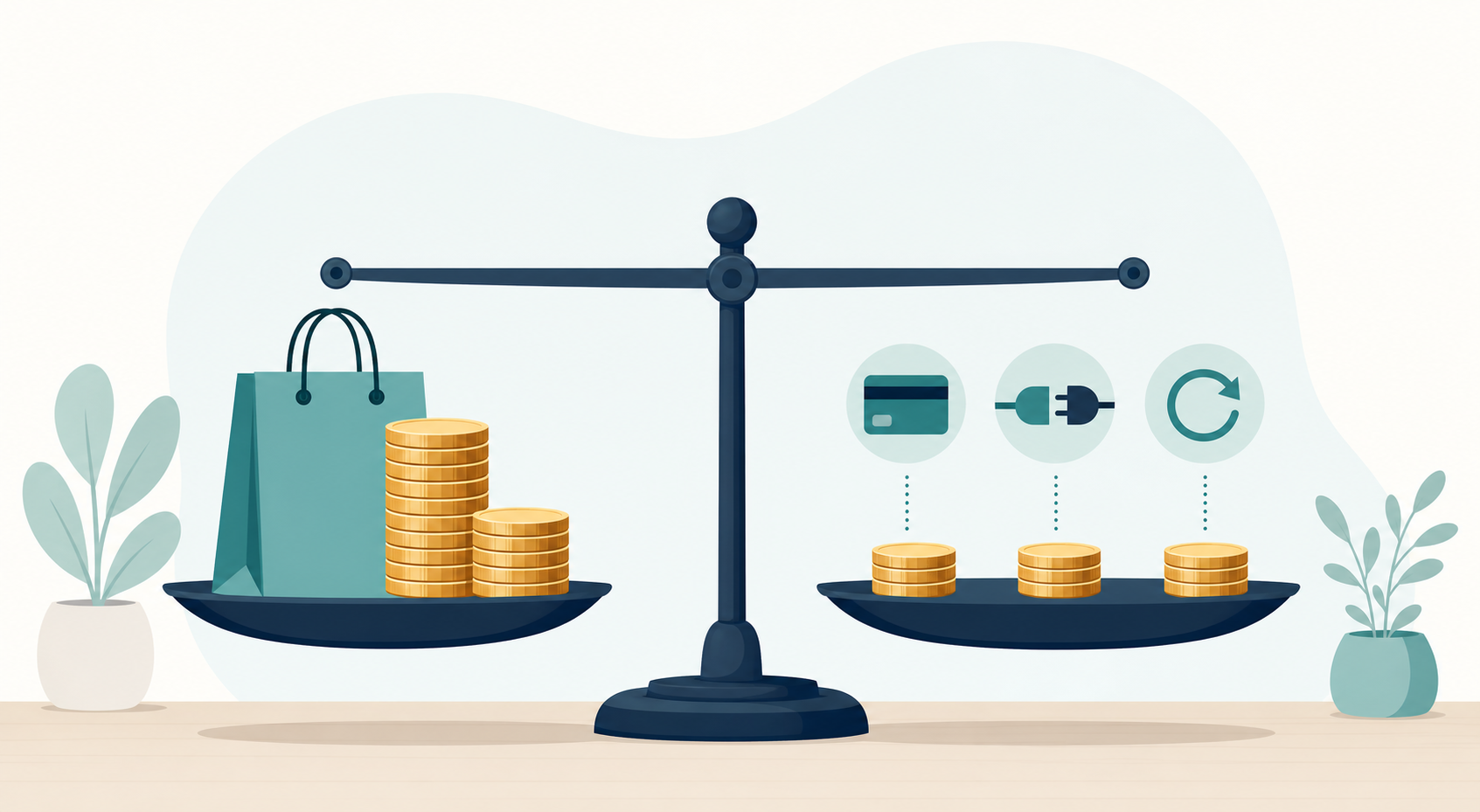
For merchants paid upfront through BNPL, costs start with the provider’s merchant fee. Depending on the provider’s terms, integration or subscription charges may also apply.
Cost to check | Effect on your margins |
|---|---|
Transaction fee | Reduces proceeds from each BNPL sale |
Integration charge | Adds to launch costs, if applicable |
Subscription | Adds a recurring expense, if required |
The margin calculation compares added gross profit from extra sales with total BNPL costs, including fee differences when existing customers switch payment methods.
BNPL Risks and Drawbacks for Retailers
For merchants using BNPL, getting paid upfront does not settle every question about fraud, disputes or returns. The agreement should clarify:
- Account takeover and return abuse: who bears losses from compromised shopper accounts or fraudulent returns, and what evidence merchants must retain.
- Disputes: the provider’s response deadlines, required documents and differences from card-scheme chargeback rules.
- Returns after payments begin: who issues refunds, how remaining payments change and how support teams handle shopper questions while payments are still scheduled.
Features vary by provider, card, and BNPL product. Consumers should compare the specific costs, repayment terms, and credit-reporting practices applicable to each option.
How to Assess and Choose a BNPL Provider
A side-by-side BNPL comparison can clarify what “merchants paid upfront” means under each provider’s terms:
- What merchant fee percentage applies to your sales volume?
- When will transaction funds reach your bank?
- Does integration support your Shopify or WooCommerce setup?
- Are shopper credit checks required, and what type?
- Are approval rates available for similar customer bases?
- Who handles installment-related customer support, and how are unresolved cases escalated?
Written terms and a checkout demo let merchants compare contract details with the shopper experience, and reviewing a provider's frequently asked questions can clarify how shoppers experience the process. Requesting a sample merchant agreement and the settlement schedule in writing also gives your finance team what it needs to model cash flow before launch. Features vary by provider, card, and BNPL product. Consumers should compare the specific costs, repayment terms, and credit-reporting practices applicable to each option.
How to Add BNPL to Your Checkout
After choosing a BNPL provider, use its setup documentation to plan your checkout launch:
- Prepare merchant account details, payout bank information and store administrator access.
- Install the provider’s ecommerce marketplace app, if available, or have a developer connect its API.
- Configure eligible products and payment settings, following guidance on how to split eligible purchases into installments. Test mobile and desktop checkout, including declined transactions.
- Add provider-approved BNPL messaging to product pages and the cart, keeping eligibility and terms visible before selection.
- Test refunds and order-status updates. Give staff a support checklist before launch.
How Four Pays Merchants Upfront While Shoppers Split into Four Easy Payments
Four pays merchants upfront while shoppers split purchases into four easy payments, made every two weeks, as detailed in how Four works. Shoppers repay on that schedule through automatic payments, so you are not waiting on installments or chasing payments. Your merchant agreement sets out your payout terms and any obligations on your side.
Under Four's terms, a platform charge applies to automatic payments. To avoid that charge, shoppers must pay manually a minimum of 3 business days before their scheduled due date. If a payment becomes late, a late fee may apply, and an additional charge may apply if it remains unpaid; amounts vary by state. See the Four user agreement for details. Platform charges and late fees may apply.
Four does not perform a credit check when shoppers sign up or when evaluating an order, so applying with Four does not result in a hard credit inquiry. No SSN is required, and shoppers receive a real-time decision, though purchases remain subject to eligibility and approval. Not all applicants are approved. Results may vary.
Subject to eligibility and approval. Spending power not guaranteed. Platform charges and late fees may apply. Some retailers require a Four+ subscription. Not available in NM. See Four additional disclosures.
Final Thoughts on BNPL Costs and Payouts
Four lets shoppers split purchases into four easy payments while you receive an upfront payout, subject to agreed terms. We can keep the goal simple: sales that cover the added costs. Your store's results can guide what comes next.
FAQ
Can you rely on Four’s upfront merchant payouts to cover same-day supplier bills?
Only if your agreed settlement schedule makes the funds available before those bills are due. “Paid upfront” means you do not wait for shoppers’ installments, not that money reaches your bank immediately. Some merchants plan cash flow to cover any gap between a sale and settlement.
Is Four worth testing if your store already has a high average order value?
A high average order value alone does not determine whether Four will help your store. A pilot can track checkout completion and gross profit after fees alongside basket size, using comparable traffic sources and promotions so that unrelated changes do not distort the results.
How do you calculate whether Four’s merchant fees leave enough profit on an order?
One way to estimate it is to subtract the Four merchant fee in your own quote and other order costs, such as shipping subsidies and returns, from the sale’s gross profit. For customers switching from another payment method, comparing the fee difference keeps existing sales from being counted as new revenue. Features vary by provider, card, and BNPL product. Consumers should compare the specific costs, repayment terms, and credit-reporting practices applicable to each option.